

Lactose-free
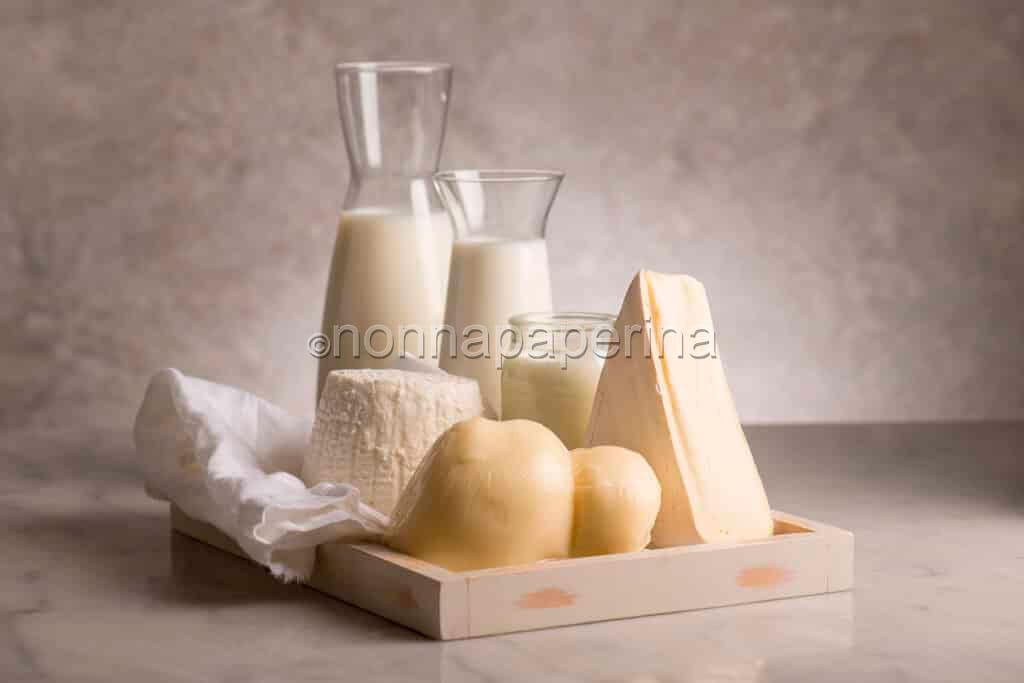
Recipes and advice for lactose-intolerant people
In this category, you will find many lactose-free recipes. The section is aimed primarily at those suffering from lactose intolerance, one of the most widespread disorders. In fact, it is estimated that at least a third of people suffer from it to varying degrees. Most of the recipes do not contain milk or milk derivatives; therefore, they are perfectly compatible with the needs of lactose-intolerant people.
However, some people use different kinds of milk. Instead of using cow’s milk, which typically contains lactose, consumers should switch to plant-based alternatives that, in some way, mimic the taste of milk and its interactions with other substances. However, some of the recipes use milk and milk derivatives that have been processed to remove the lactose, making them lactose-free.
Obviously, the topics covered are not exclusively aimed at lactose intolerants. In fact, the recipes you find below, like all those on the site, are suitable for all palates, not just those suffering from eating disorders. The underlying theme of the topics, as well as our intent, is precisely to make people understand that any type of food intolerance is not a difference but a way to eat alternative and equally healthy foods. Even better if cooking becomes a way to combine, in the name of good taste, lightness, and nutritional value.


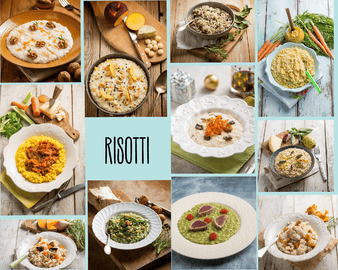
Risottos: Delicious ideas for easy and tasty recipes
Risottos: an endless array of recipes to explore One of the most recognisable Italian foods is risotto. They represent modern gastronomy's focus on ingredient quality and its capacity to turn basic components into delectable dishes that evoke a genuine culinary experience and engage both taste and sight. In the end, risottos are not only delicious but also aesthetically pleasing. The gourmet aspect of many of the most basic rice-based recipes sets them apart, to the point where they shine on the menus of the most exclusive dining establishments. Risotto with bacon and courgettes is a...
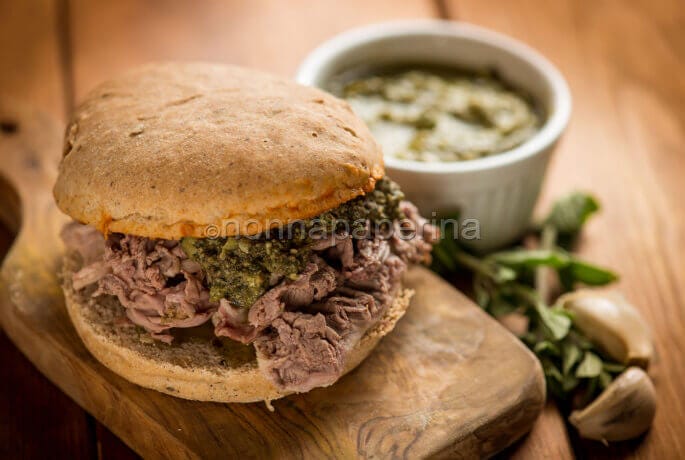
Lampredotto sandwich, a snack of yesteryear
The Tuscan sandwich, a popular fast-food The spannocchia and the maw are the two components that...

Classic ideas for the perfect breakfast How to have...

Fiorentina steak, a delectable second course A rare steak...
Seeing is believing; this Wagyu tartare is truly...

An ideal syrup for a variety of sweets Jerusalem artichoke...

Explore the Versatility of Cucinarea: Your Culinary Stage
Cucinarea is much more than just a space. It is a unique environment where passion for food and design come together, creating a unique atmosphere for every type of event. With elegant spaces and state-of-the-art equipment, Cucinarea is the ideal place to make every occasion memorable. Whether it's cooking classes, business meetings, or large-scale events, discover how we can enhance every initiative you have.