Grandma Ducky » Seasonal ingredients » Cardoons
Cardoons
An extremely unique vegetable
As far as veggies go, cardoons are extremely similar to artichokes; in fact, they are closely related to them. They do, however, have distinct variations in colour and form, as well as a strong propensity to develop in natural settings. As a result, cardoons don’t require a lot of care during cultivation. However, in a more unusual than common situation for plants, they benefit from frosts. Actually, people like “winter” cardoons because of their softer consistency and richer flavour.
Other than that, they resemble artichokes quite a bit. This also pertains to the cleaning stage, which is essentially the same. For example, to get rid of any bitter aromas, soak them in a mixture of water and lemon before cooking. When it comes to nutritional value, cardoons are excellent choices. They offer a remarkable amount of potassium at the expense of a relatively low caloric intake of only 17 kcal. They also contain a lot of fibre, which is beneficial for controlling intestinal transit. Additionally, adequate calcium and vitamin B2 concentrations are seen.
Cardoon varieties
As a natural species that grows abundantly in Italy, there are many different types that are consumed here. These are the ones that are most typical:
- Hunchback of Nizza Monferrato: It is a variety that is consumed raw. It is also one of the few that is cultivated intentionally. It is very tender and is characterised by a very light shade.
- Helpless Giant: It is a very fleshy variety, sometimes leathery, and very bitter.
- White ivory: Typical of the Asti area, it has no thorns and is rather meaty.
- The ribs are very juicy and tender. It is completely free of thorns.
- Chieri cardoons: This variety is characterised by its few thorns, its slightly sweet taste, and its versatility.
How to eat cardoons
The cooking techniques for cardoons are more akin to celery than they are to artichokes, despite their similarities. In reality, the ribs—which resemble celery—remain after the washing process. In any case, if we exclude some particular varieties, the cardoon must always be cooked.
Cardoons are used in many dishes; when reduced to a silky cream or puree, it looks very presentable. This makes it a wonderful winter dish. The same goes for soups and stews, which obviously involve the use of many other ingredients. Finally, they can also act as a side dish for second courses or as the main condiment for first courses, perhaps based on pasta.
What are the benefits of cardoons?
Cardoons are beneficial. I have already introduced its nutritional properties, but I think it is useful to talk more in depth about its impact on the body.
For starters, it acts as a purifier, particularly for the liver and kidneys. This is mainly due to the abundance of water, which remains intact even after cooking. Certain chemicals, especially those that are uncommon in plant-based diets, also have an effect in this way. This alludes to silymarin, which aids the liver in its processes related to protein synthesis.
Cardoons also help with digestion; in fact, they are rich in fibre. Fibres support intestinal peristalsis and also generate a sense of satiety. It is no coincidence, therefore, that cardoons are integrated into low-calorie diets, even in light of a very low caloric intake.
How to cook cardoons?
In addition, cardoons are incredibly adaptable and work well with a variety of cooking techniques. They obviously need to be well cleaned first, especially because some of their parts are inedible or emit bad odours. The outer leaves are removed in the first stage, and then the thorns, which are typically located on the sides of the ribs, are extracted. This will give you something akin to a bar, which must be cut into at least a couple of pieces and washed under tap water.
Boiled cardoons are a common ingredient in cooking. Though it varies depending on how ripe the vegetable is and its fibre content, cooking should take about 30 minutes.
Another option is to steam the cardoons. Unless specific tools are employed, cooking time in this instance is a little bit longer. Despite this, the outcome is superb: both the flavour and the significant nutritional qualities are fully retained.
At this point, a question arises spontaneously: how to make cardoons less bitter? A very effective trick consists of soaking the well-cleaned cardoons in acidulated water (a little salt and lemon is enough), then boiling them briefly (just about ten minutes) in a solution of water and milk.
When are they eaten? Seasons and cultivation
Selecting goods that are in season is the key to truly appreciating vegetables. This, of course, is not an anomaly. These are winter and fall vegetables, and the “cardoon season” runs from October to February.
Many might be tempted to cultivate cardoons on their own. Which brings us to our question: are they hard to grow? Actually, not more than other vegetables. The best time to sow is towards the end of spring, a few centimetres below the surface. The posts, or “holes,” must be placed one metre away from each other and can accommodate 3–4 seeds each.
The soil must be well fertilised and properly nourished. Manure pellets, earthworm humus, and prepackaged compost are good options in this case.
There needs to be a lot of watering, constant hoeing, and weeding. Aphids and snails, in particular, are among the weed species that negatively impact cardoons. The harvest begins in late autumn but should only take place when the chards are white.
Cardoons with Parmesan, an easy and tasty dish from Umbria
What to know about cardoons The most unique component of this Parmigiana are the cardoons, so it's...
Seguimi su Instagram
Cook with seasonal ingredients
Don’t worry be happy
Cosa può fare per voi Nonnapaperina.it
Ho già introdotto il motivo per cui ho intrapreso il progetto di Nonnapaperina.it, ossia condivisione della mia esperienza e la possibilità, per tutti, di fruire di soluzioni a portata di mano per un’alimentazione a prova di intolleranze alimentari. Tanto vale, quindi, parlare un po’ del sito e dare qualche consiglio per “viverlo” al meglio. Ad esempio, per la vita di tutti i giorni, fate riferimento alla sezione “ricette per intolleranti”. Ne trovate a bizzeffe, tutte categorizzate per portata (primi, secondi etc.), momento della giornata (colazione, pranzo, cena), funzione (basi, impasti, creme, salse) e molto altro ancora. Non trascurate, però, anche la sezione sulle festività. Se il principio cardine del progetto è la condivisione, allora la palla passa presto a voi, quindi condividete liberamente le ricette con i vostri cari e con i vostri amici. E quale migliore occasione di una festività, sia essa il Natale, la Pasqua o la Festa della Mamma? Non di rado le ricette hanno un ché di artistico. I piatti porgono il fianco a un concetto “elevato” di cucina, che coinvolge non solo il senso del gusto, ma pone le basi per un'esperienza a tutto tondo. Il tutto a uso e consumo degli intolleranti alimentari, o degli amanti del buon cibo in generale. Il consiglio, comunque, è quello di spaziare. Il sito è basato sul principio dell’ipertesto, ossia ciascuna ricetta ne richiama altre, e molte altre ancora. Lasciatevi trasportare e vi sembrerà realmente di intraprendere un viaggio nella cucina anti-intolleranze alimentari, nella sua versione più “friendly” e divertente! Buona degustazione a tutti! Intolleranze alimentari e allergie si sconfiggono a tavola Quello delle intolleranze alimentari e delle allergie rischia di diventare un problema di ordine sociale se non viene gestito con attenzione. In primis per le dimensioni del fenomeno. Si stima, infatti, che circa il 10% della popolazione soffra di un qualche disturbo legato all’assorbimento di sostanze alimentari e, allo stesso tempo, in grado di generare sintomi più o meno importanti. Sul banco degli imputati vi sono l’intolleranza al lattosio e la celiachia, che sono le patologie in assoluto più diffuse, ma vanno prese in considerazione anche l’allergia e la sensibilità al nichel. Per inciso, la distinzione tra intolleranza e allergia è fondamentale ai fini medici. I sintomi sono infatti diversi per tipologia o per intensità (o per entrambi). A fare il bello è il cattivo tempo è in particolar modo l’allergia, che coinvolge il sistema immunitario e quindi determina una sintomatologia spesso e volentieri sistemica. Le intolleranze alimentari, invece, producono prevalentemente sintomi gastrointestinali. Discorso a parte per la celiachia, che tecnicamente non è un’allergia, ma coinvolge ugualmente il sistema immunitario. La distinzione tra intolleranza e allergia, tuttavia, assume una posizione di secondo piano per quanto concerne gli approcci terapici, o per meglio dire “di gestione”. Al netto di alcune eccezioni, che riguardano i casi di “scarsa tollerabilità”, intolleranze e allergie vanno trattate allo stesso modo, ovvero evitando le sostanze che creano i disturbi. Nella quasi totalità dei casi, infatti, non esiste una terapia risolutiva e quindi la guarigione è un'ipotesi da escludere. Ne è consapevole chi viene raggiunto da una diagnosi di intolleranza o allergia. L’impatto emotivo della diagnosi è molto forte proprio per l’impossibilità di raggiungere una guarigione completa. Sia chiaro, il disorientamento iniziale è fisiologico e giustificato. Tuttavia, deve essere destinato a durare poco, ovvero il tempo necessario a prendere atto della buona notizia riguardante intolleranti e allergici: convivere con questi disturbi si può! E’ possibile quindi convivere con i disturbi alimentari senza rinunciare ai propri piatti preferiti e senza dire addio al proprio stile alimentare.Non surrogati ma scelte alimentari consapevoli
Le intolleranze alimentari e le allergie si combattono non solo con le armi della medicina, ma anche attraverso un cambio di mentalità, che a sua volta coinvolge il modo di intendere la cucina. Il trucco è semplice, basta non guardare agli alimenti anallergici e anti-intolleranze come a dei surrogati degli “alimenti normali”. Gli alimenti per intolleranti sono infatti alimenti dotati di una propria specificità e in grado di offrire molto sul piano organolettico e visivo. Chi soffre di intolleranze alimentari e di allergia non dovrebbe replicare il consumo di latte, pane o altri alimenti, ma dovrebbe valorizzare gli alimenti a cui può attingere in tutta sicurezza. Adottare questo approccio significa innanzitutto svincolarsi dal ruolo del “malato”, focalizzandosi in realtà su altri alimenti. Ad aiutarci in questo senso c’è la natura con le sue molteplici varietà. Gli alimenti che fanno al caso del celiaco, o all’intollerante al lattosio, sono numerosi e spesso buoni e belli da vedere; inoltre sono molto versatili in quanto possono dare inizio a molte ricette davvero sfiziose. Non lo sono solo per chi soffre di queste patologie, ma anche per tutti gli altri. Le implicazioni dal punto di vista sociale sono evidenti. Col mio sito di cucina porto avanti esattamente questa filosofia. Non è solo uno spazio per conoscere ricette, ma anche un vero e proprio manifesto per chi vuole affrontare le intolleranze alimentari con armi meno tediose di quelle esclusivamente sanitarie. In quest’ottica la farina di riso non è un surrogato della farina tradizionale, ma un elemento a parte con cui realizzare ricette deliziose, che si abbinano con una grande varietà di ingredienti. E lo stesso, ovviamente, si può dire delle farine di amaranto, di fonio, di quinoa etc. Un discorso simile può essere fatto anche per l’intolleranza al lattosio. Al netto della possibilità di delattosare il latte, le varianti vegetali godono di una propria dignità gastronomica e porgono il fianco a un interessante approccio creativo in cucina. Tra l’altro, questo cambiamento forzato pone le condizioni per un viaggio attraverso le cucine alternative e gli alimenti più esotici. Ecco che si capovolge la prospettiva: intolleranze e allergia non sono solo una condizione gestibile, ma anche un’occasione di arricchimento.Intolleranze alimentari e socialità, un falso problema
Un altro dei motivi per cui la diagnosi di intolleranza o allergia fa molta paura, gettando nello sconforto chi ne soffre, riguarda le implicazioni per la vita sociale. Chi ha ricevuto una diagnosi da poco è convinto nella maggior parte dei casi che la sua patologia inciderà negativamente sulle occasioni di socialità, sia dal punto di vista psicologico - emotivo che dal punto di vista pratico. Il timore è quello di sentirsi diversi e in qualche modo lontani dai canoni della normalità, questo può portare a disagi anche tra parenti e amici. In realtà sono paure infondate. In primo luogo una condizione patologica non corrisponde a una condizione di “anormalità” (al netto dell’inconsistenza semantica del termine). Secondariamente basta un minimo di organizzazione e di consapevolezza per gestire anche le occasioni di socialità. Anzi, quando queste si svolgono fuori di casa, ossia nei locali adibiti alla ristorazione, la questione è addirittura più semplice. I gestori infatti sono nella maggior parte dei casi preparati ad accogliere clienti con intolleranze e allergie. In ogni caso basta informarsi prima e scegliere di conseguenza. Ma il problema non si pone nemmeno se si mangia a casa di altri, o se si invitano a casa propria delle persone. In primo luogo perché le diagnosi di questo tipo non fanno scalpore in quanto sono ormai molto diffuse. In secondo luogo perché i piatti per chi soffre di intolleranze alimentari sono in realtà buoni per tutti, anche per chi non soffre di alcun disturbo. Al netto di tutto ciò, se si pone attenzione al tema della contaminazione alimentare, cucinare per intolleranti alimentari (o per allergici) è più semplice di quanto si possa immaginare.Never self-diagnose!
There is a lot of talk about food intolerances and food allergies. The problem is that it is often talked about badly, the waters are muddied and ineffective advice is given.
For example, there is a common idea that intolerance and allergy are the same thing. It’s not like that. Of course, from time to time the symptoms overlap, and a substance can simultaneously cause intolerance and allergy, but these are two different disorders.
Intolerance is the negative reaction to taking a certain substance. Allergy, on the other hand, is the negative reaction to contact with a certain substance. This contact can be the result of actual intake, but it is not exclusive, i.e. it can also only occur at a skin level.
Intolerance rarely involves the immune system, while it more frequently involves the organs of the digestive system. In the vast majority of cases an individual is intolerant because his body does not contain the enzymes necessary for the metabolism of a substance. This is the case of the lactase enzyme for lactose intolerants. On the other hand, allergies always involvethe immune system. For often genetic reasons, the organism identifies an “enemy” in that specific substance, a foreign and dangerous body, and therefore reacts in a “disorderly” manner.
Differences are also noted regarding the incidence. The percentages change from population to population, given and considering the strong genetic component of these disorders. However, according to recent estimates, up to 4% of the population suffers from some form of food allergy. However, the percentages regarding food intolerances are even higher. There is also talk of 20-30%. The data is “dirtied” by the incidence of lactose intolerance, which is incredibly widespread. Allergies tend to begin in the first years of life, and in some cases disappear by adulthood. Intolerances, however, appear more frequently after adolescence.
Symptoms and triggers
The heterogeneity of symptoms that allergies and intolerances cause also derives from what has just been said. Allergy symptoms are often systemic and violent, and can include severe malaise, rush and respiratory problems. If the interaction with the substance occurs on the skin, eczema may be noted in the contact area. This is the case of nickel allergy. There is no shortage, especially when taken, of gastrointestinal problems, such as pain, cramps, diarrhea and nausea.
The symptoms of intolerances are more limited and are mainly gastrointestinal. This occurs – in most cases – because the body is unable to assimilate the substance, therefore it produces gas in an attempt to do so. This abnormal quantity of gas causes the symptoms we have just described. This is precisely the case with lactose intolerance, in fact lactose remains mostly intact, rather than breaking down into glucose and galactose, stimulating an accumulation of gas.
A difference between allergies and intolerances, which is often mistaken for a common point, is the class of substances that trigger one or the other. In the case of allergies, the offending substance is a food as a whole. In the case of intolerances, it is often a molecule, a sugar or a protein. The most common food allergies involve milk, millet, wheat, eggs and shellfish. The most common food intolerances, however, concern lactose, gluten and so on.
This has varied consequences on living standards. In essence, those with allergies are much more compromised. Having to avoid a substance is one thing, having to avoid a food is another matter entirely. Just to give an example, those who are lactose intolerant can still drink milk and consume dairy products, as long as they are lactose-free. Those who are allergic to milk do not have this option.
How to diagnose allergies and intolerances?
The diagnosis of food allergies is essentially clinical, therefore it is the result of the observation of visible and empirically measurable reactions. This has led to the belief that even a single individual can reach a diagnosis without the help of an expert.In reality, it is a huge mistake. Self-diagnosis is fallacious because to correctly identify the disease, a wealth of knowledge is needed which is useful for the interpretation of the phenomena. Furthermore, it is also dangerous as it risks triggering the symptoms of the disease.
It is true that the diagnosis passes through trials and errors, but these must follow one another from a risk reduction perspective typical of the medical profession. Therefore, yes to eliminating this or that element from the diet, to understand if it is precisely this that triggers the allergic symptoms. Yes also to adding further doses of the suspected allergen to check the body’s reaction, but according to very precise stages and indications, provided by the specialist. Intolerance is also diagnosed or more frequently “discovered” with the addition or subtraction of specific elements from the diet. However, the first aim is to exclude allergy, which is quite simple given the diversity of symptoms.
In some cases, some tests are available that guarantee a diagnosis. This is the case of the breath test for lactose intolerance. The patient is invited to consume milk, progressively. Subsequently, he blows into a machine that analyzes the composition of the air introduced. If there is an excessive quantity of carbon dioxide, then there is an intolerance, in fact the abundance of CO2 is caused precisely by poor digestion and malabsorption. If there is a suspected case of celiac disease, however, blood tests can be carried out to trace specific antibodies, as this pathology still “stimulates” the immune system.
Did you know that

Risottos: Delicious ideas for easy and tasty recipes
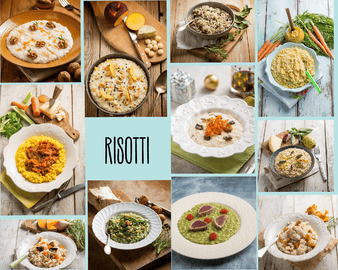
Risottos: an endless array of recipes to explore One of the most recognisable Italian foods is risotto. They represent modern gastronomy's focus on ingredient quality and its capacity to turn basic components into delectable dishes that evoke a genuine culinary experience and engage both taste and sight. In the end, risottos are not only delicious but also aesthetically pleasing. The gourmet aspect of many of the most basic rice-based recipes sets them apart, to the point where they shine on the menus of the most exclusive dining establishments. Risotto with bacon and courgettes is a...
Most read articles and recipes

Lampredotto sandwich, a snack of yesteryear
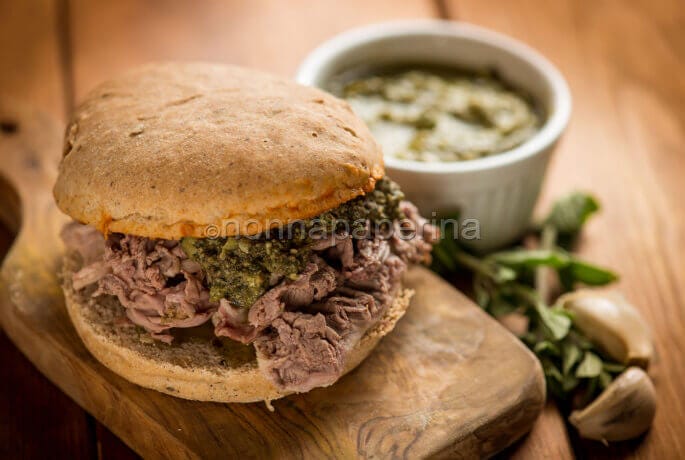
The Tuscan sandwich, a popular fast-food The spannocchia and the maw are the two components that...
Breakfast for students, some nutritious ideas
Classic ideas for the perfect breakfast How to have...
Fiorentina steak: the secrets to cooking it properly
Fiorentina steak, a delectable second course A rare steak...
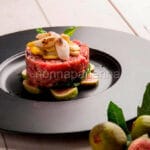
Wagyu tartare, ginger oil, and oyster sauce
Seeing is believing; this Wagyu tartare is truly...
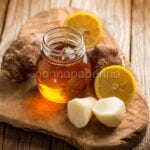
Jerusalem artichoke syrup, a versatile dish
An ideal syrup for a variety of sweets Jerusalem artichoke...

Latest recipes, pills and advice

Brioche bread with bresaola and scamorza cheese: the...
The entire bresaola flavour Bresaola is the standout...
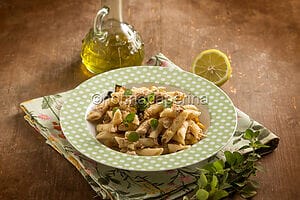
Cold summer pasta, a light but flavour-rich version
A recipe to fill you up and keep you light Among the...
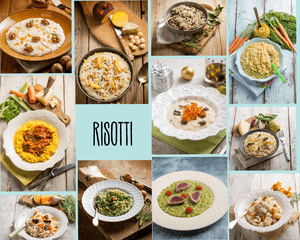
Risottos: Delicious ideas for easy and tasty recipes
Risottos: an endless array of recipes to explore One of...

Tarts: A Journey Through 10 Delicious Recipes
Delicious tarts for every taste Tarts are among the most...
Cucinarea per il tuo evento perfetto!
Explore the Versatility of Cucinarea: Your Culinary Stage
Cucinarea is much more than just a space. It is a unique environment where passion for food and design come together, creating a unique atmosphere for every type of event. With elegant spaces and state-of-the-art equipment, Cucinarea is the ideal place to make every occasion memorable. Whether it's cooking classes, business meetings, or large-scale events, discover how we can enhance every initiative you have.
Cooking Classes: Learn from the Best
At Cucinarea, we host cooking classes each month that focus on elegant and sophisticated menus. You will have the opportunity to learn directly from renowned and specialized chefs, who will guide you in preparing dishes that will amaze your guests. Our courses strike a perfect balance between entertainment and learning, taking place in a welcoming and refined environment, ideal for anyone looking to improve their culinary skills. The courses are divided into two phases: a practical demonstration by the chef and a tasting phase, where you can taste and share the freshly prepared dishes, turning learning into a real pleasure.
Meeting and Conference Room: Combining Elegance and Functionality
Our meeting room is designed to host a wide range of corporate events and conferences. Spacious and well-furnished, this room provides an ideal environment for business meetings, presentations, and special initiatives. It is the perfect setting to promote networking, professional updates, and team spirit strengthening. Our rooms can be configured for executive meetings, business negotiations, or both formal and informal events. With high-level culinary offerings, every meeting becomes a memorable occasion.
Home Chef Service: Transform Your Home into a High-Class Restaurant
Our home chef service brings high-quality cuisine from the best restaurants directly to your home. This service mode is gaining popularity, allowing you to enjoy the thrill of having a personal chef without leaving the comfort of your home. Home chefs are expert professionals who adapt their menus to create memorable events, whether they are formal dinners or more casual gatherings. The preparation of the dishes takes place right before your eyes, making every occasion a special and personalized moment. Each event managed by our chef becomes a unique occasion, carefully designed to meet the specific needs of each client.
Team Building: Growth and Fun
Team building is a series of activities designed to strengthen team spirit and improve cohesion among team members. Through cooperative and fun challenges, participants work together to achieve common goals, improving communication and interaction. Our team building activities are designed to be not only effective but also engaging, creating a positive and stimulating environment. These experiences are crucial for forming cohesive and motivated teams, which translate into better performance at work.
Event Rooms: Perfect Locations for Unforgettable Moments
Our event rooms offer the ideal space for any type of party or celebration. Every detail is designed to create an environment that is not just a place, but a starting point for building precious memories. Whether it's an intimate gathering or a large celebration, our rooms are adaptable to realize the event our clients have always dreamed of. From the arrangement of spaces to lighting, every element is adjustable to meet the most specific needs.
Locations for Photo Shoots
Cucinarea also offers ideal spaces for photo shoots and video productions. Our spaces are designed with great attention to style and decor, creating unique settings that enrich every type of photographic service or video production. From the sober and elegant style of the conference room, ideal for institutional videos, to the lively environment of the kitchen, perfect for culinary videos, every corner of Cucinarea is designed to be photogenic and functional.
Never self-diagnose