


Jerusalem artichoke syrup, a versatile dish

Recipe proposed by
Tiziana Colombo




Jerusalem artichoke syrup, a syrup with multiple uses
I’m going to introduce you to the Jerusalem artichoke syrup today, a syrup different from the others in terms of flavour, consistency, application, and even procedure. Its uniqueness stems directly from the method of preparation, which omits the use of sugar. The Jerusalem artichoke yields delicious aromas, no matter how strong. In fact, the syrup is obtained through progressive cooking and reductions. The result is a sort of concentrated juice from the tuber, which takes on the appearance of a syrup.
Of course, it can also be used as a traditional syrup—that is, diluted with lots of water to make a drink—instead of making creams, enhancing pasta, or creating icings. However, it can also be considered a separate condiment, to be applied as if it were a topping.
Recipe Jerusalem artichoke syrup
Preparation Jerusalem artichoke syrup
- Clean and peel the Jerusalem artichokes.
- Slice them thinly to facilitate cooking and flavor extraction.
- In a large pot, bring 2 liters of water to a boil.
- Add the sliced Jerusalem artichokes and baking soda.
- Boil for about 20 minutes or until they are very tender.
- Drain the artichokes and discard the boiling water.
- In a clean pot, combine 500 ml of fresh water and the granulated sugar.
- Bring to a gentle boil and stir until the sugar is completely dissolved.
- Add the boiled Jerusalem artichokes back to the sugar solution.
- Let simmer over low heat for about 30 minutes. If desired, add vanilla extract or cinnamon stick during this step.
- Add lemon juice to balance the flavors.
- Strain the mixture through a fine mesh sieve, pressing to extract as much liquid as possible.
- Transfer the syrup to a sterilized bottle. Let it cool, then seal and refrigerate.
Ingredients Jerusalem artichoke syrup
- 1 kg Jerusalem artichokes
- 2 liters of water (for boiling)
- 500 ml additional water (for making the syrup)
- 400 grams granulated sugar
- 1 teaspoon lemon juice
- 1/2 teaspoon baking soda (to neutralize bitterness)
- Optional: 1 teaspoon vanilla extract or a cinnamon stick
- to add depth of flavor
An ideal syrup for a variety of sweets
Jerusalem artichoke syrup is perfect on pancakes. In this sense, it’s closer to maple syrup than the typical fruit syrups. It is authentic and nourishing because the only ingredient is the Jerusalem artichoke, to which a small amount of lemon syrup is added towards the end of cooking to slightly offset the sweet aromas.
Firstly, it has a low glycemic index because it doesn’t contain any sugar. This is fantastic news, especially for people on weight-loss diets and diabetics who need to pay close attention to this value. The Jerusalem artichoke syrup also aids in lowering cholesterol; it helps prevent acute pathologies affecting the heart and circulation, such as heart attacks and strokes. Lastly, it contains a few calories. A large drink can be made with 5 cl of syrup, which is equivalent to about 40 kcal.
A focus on the Jerusalem artichoke
It is worth learning more about the Jerusalem artichoke, which is the main ingredient in this syrup. It is a very nutritious tuber, and as such, it is considered a valid substitute for potato. In fact, it resembles it in terms of texture and appearance. However, the flavour is distinct and somewhat akin to that of artichokes. It can therefore provide much in terms of gastronomy. Jerusalem artichokes are a popular ingredient in many recipes, particularly those from northern Europe (especially Germany), where the tuber is commonly consumed. You can prepare salads, rotisserie pieces, soups, veloutés, and side dishes with this tuber.

Regarding nutrition, the Jerusalem artichoke is valued for its steady supply of vitamins, particularly A and C. The former supports iron absorption and is beneficial to the immune system, while the latter is healthy for eyesight. The high fibre content of Jerusalem artichokes aids in digestion and restores the proper balance of intestinal flora. Antioxidants, which control cellular reproduction processes and aid in the prevention of cancer, are abundant. The mineral salts are no different; in fact, we detect non-negligible amounts of iron as well as high concentrations of potassium, calcium, and magnesium. At 70 kcal per 100 grammes, the calorie intake is a little less than that of potatoes.
How is the syrup prepared?
As previously stated, the preparation of the Jerusalem artichoke syrup differs greatly from that of other syrups. With the exception of juices, most recipes follow the same steps as those for jams and marmalades. Either way, they call for the use of substantial amounts of sugar. The only “sugar” in Jerusalem artichoke syrup is the naturally occurring one. The rest of the process is lengthy but not difficult at all. It is wise to remember the dosages first. The ratio between the raw material and the finished product is ten to one. In fact, from one kilo of Jerusalem artichokes, which is the recommended quantity in this recipe, you get one litre of syrup.
Blend and strain the Jerusalem artichokes once they have been cleaned and peeled. This results in a sort of juice that needs to simmer at 60 degrees and then be cooled. This is the moment where four additional cycles of cooking and cooling are required. During the cooking process, feel free to incorporate a small amount of lemon syrup. The preservation of this syrup lasts a long time; just bottle it well and place it in a dry place away from sunlight.
Are there any recipes for Jerusalem artichokes? Of course, yes!


COULD IT BE INTERESTING FOR YOU





Una tavola senza barriere per ogni ospite
NonnaPaperina.it è lo spazio dove la cucina per intolleranti diventa un linguaggio di pura inclusione alimentare. Credo fermamente che mangiare senza glutine o senza lattosio non debba mai significare sentirsi diversi o esclusi dalla tavola comune. La mia missione è trasformare ogni limite alimentare in una nuova, straordinaria possibilità creativa per tutti i commensali.
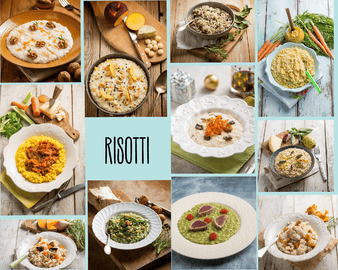
Risottos: Delicious ideas for easy and tasty recipes
Risottos: an endless array of recipes to explore One of the most recognisable Italian foods is risotto. They represent modern gastronomy's focus on ingredient quality and its capacity to turn basic components into delectable dishes that evoke a genuine culinary experience and engage both taste and sight. In the end, risottos are not only delicious but also aesthetically pleasing. The gourmet aspect of many of the most basic rice-based recipes sets them apart, to the point where they shine on the menus of the most exclusive dining establishments. Risotto with bacon and courgettes is a...

Explore the Versatility of Cucinarea: Your Culinary Stage
Cucinarea is much more than just a space. It is a unique environment where passion for food and design come together, creating a unique atmosphere for every type of event. With elegant spaces and state-of-the-art equipment, Cucinarea is the ideal place to make every occasion memorable. Whether it's cooking classes, business meetings, or large-scale events, discover how we can enhance every initiative you have.
2 comments on “Jerusalem artichoke syrup, a versatile dish”